
A Complete Guide to Internal Wall Insulation
How Internal Wall Insulation Works, Where It’s Used, and What Homeowners Should Expect
Internal Wall Insulation (IWI) is one of the most effective ways to make older, solid-wall homes warmer, drier and more energy-efficient. This page explains how IWI works, when it’s suitable, what materials are used, and what results homeowners can expect.
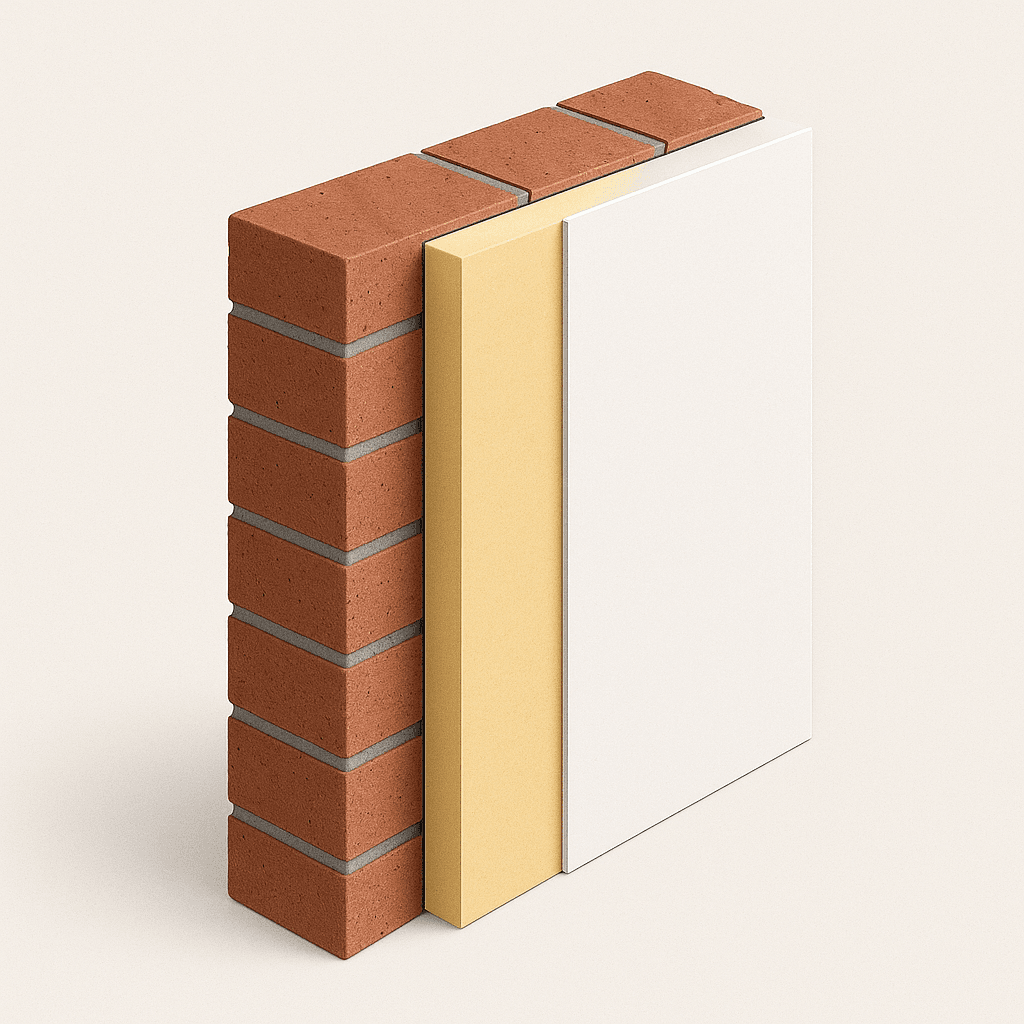
What Is Internal Wall Insulation?
Internal Wall Insulation adds a warm, insulated layer to the inside of external walls. It’s ideal for solid brick, stone, concrete and older Victorian homes that were built without a cavity.
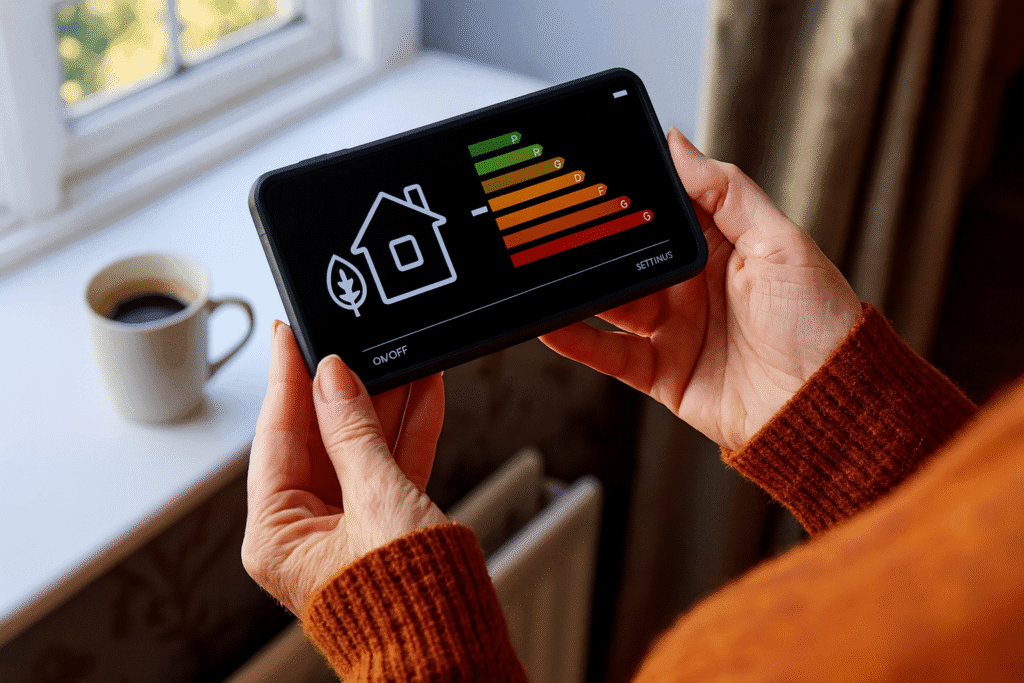
Why Internal Wall Insulation Works
Internal Wall Insulation works by warming the internal surface of cold external walls. This reduces heat escaping through solid brick, helps prevent surface condensation, and makes rooms easier and more efficient to heat. By improving wall temperature, IWI creates a more comfortable home with fewer cold spots and a lower risk of mould developing on cold surfaces.
Signs Your Home May Need Internal Wall Insulation
- Cold external walls
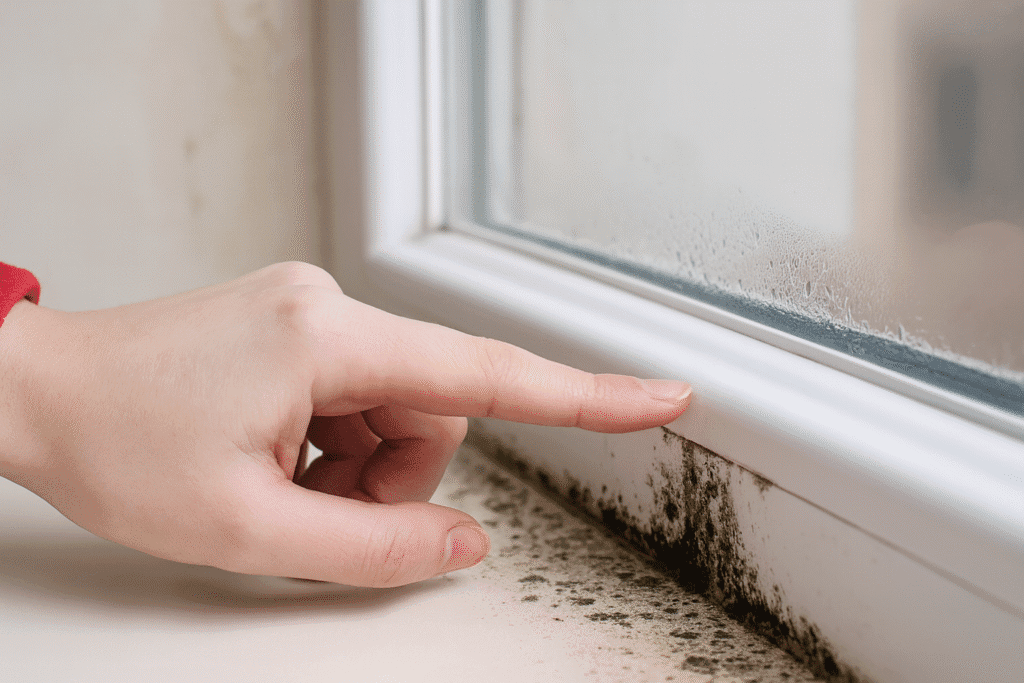
- Condensation on walls or corners
- Black mould patches
- Cold bay windows
- Rooms that stay cold even with heating on
- High heating bills
Types of Internal Wall Insulation We Install
We use a range of modern insulation systems to suit different wall types, room sizes and moisture conditions. The best option depends on how much space you want to save, whether the wall is prone to condensation, and your budget.


Advantages of Internal Wall Insulation
Where Internal Wall Insulation Works Best
Internal Wall Insulation is most effective in older solid-brick homes, including many Victorian and pre-1930 properties, where the walls naturally feel cold and allow heat to escape. It works well on exposed external walls, bay window areas and rooms that regularly feel chilly or develop condensation. By raising the wall’s internal surface temperature, IWI helps create a noticeably more comfortable and consistent indoor environment.