
Victorian Home Insulation
Warmer Rooms, Fewer Cold Walls & A Safer Approach for Solid Brick Homes
Victorian and pre-1930 homes were built with solid brick walls, no cavity, and often no insulation of any kind. These homes lose heat quickly, stay cold in winter, and frequently suffer from condensation, mould, and cold external walls.
We specialise in insulation systems designed specifically for older solid-wall properties, installed with moisture-safe methods and a clean plaster finish.
Why Victorian Homes Lose Heat
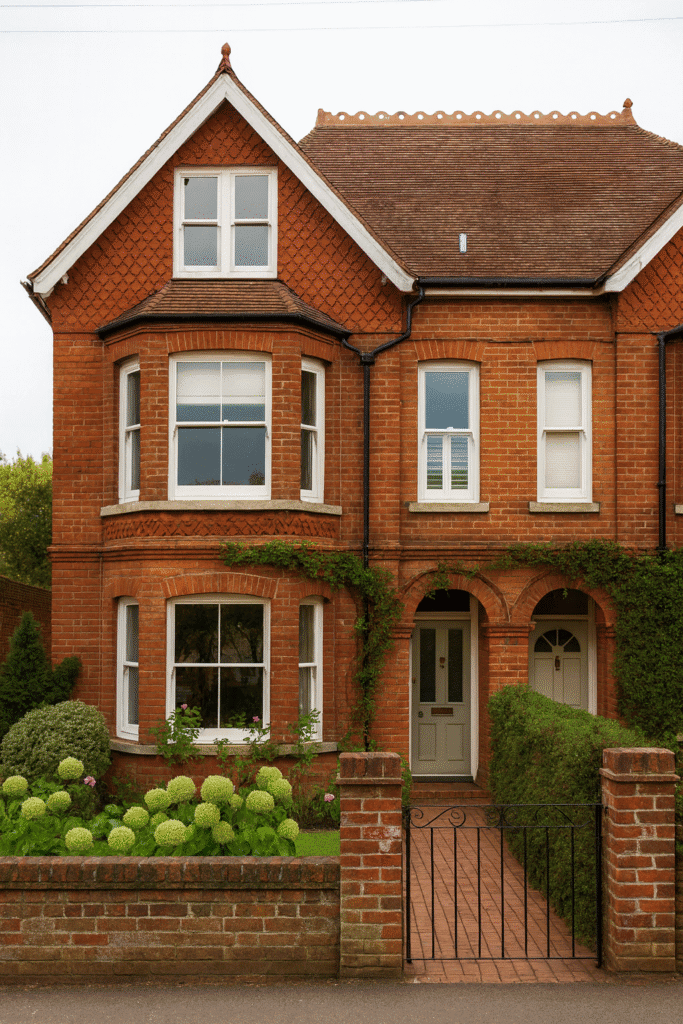
Most Victorian houses were built with single or double solid brick walls, meaning there is no cavity to trap warm air. As a result, the walls become cold very quickly and lose heat directly through the brickwork. Areas like bay windows, corners and chimney breasts cool even faster, which makes the whole room feel colder. When these surfaces drop in temperature, the internal wall can easily reach dew point, leading to condensation. Older plaster, timber floors and cold junctions around windows or corners also contribute to heat loss, making Victorian homes feel cold even when the heating is on.
Signs Your Victorian Home Needs Internal Wall Insulation
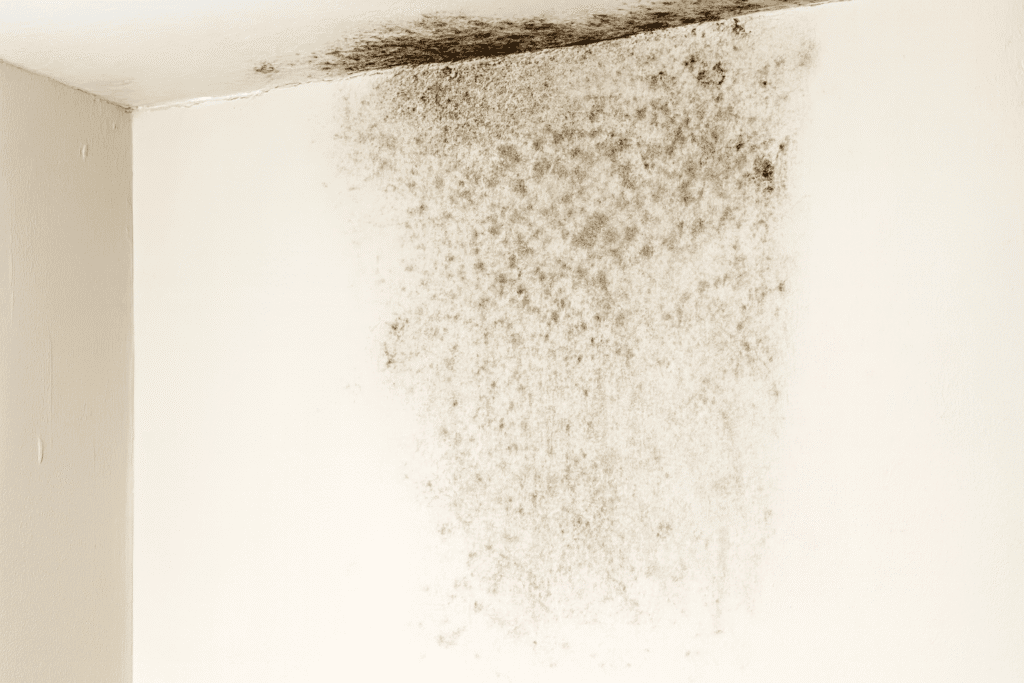
Many Victorian homes show clear signs of heat loss and moisture issues. Cold external walls are one of the first indicators, often accompanied by condensation forming on internal surfaces, especially in corners or around bay windows. Black mould may appear behind furniture or near window reveals, and rooms often take a long time to warm up or cool down quickly once the heating is off. Higher heating bills, damp-feeling bedrooms, and cold, hard-to-heat living areas are also common symptoms in older solid-wall properties.
Insulation Systems Suitable for Victorian Homes
Cork Internal Wall Insulation
Cork is a natural, breathable material suited to older solid-brick homes. It helps regulate moisture, provides thermal improvement, and can reduce the conditions that lead to condensation on cold walls. Cork works particularly well on damp-prone external walls and around bay windows.
Wood Fibre Insulation Boards
Wood fibre boards are breathable and moisture-tolerant, making them appropriate for traditional properties. They help improve thermal comfort while allowing moisture to pass through the wall safely. When combined with lime or mineral plaster, they form a fully breathable internal wall system.
PIR Insulation Boards
PIR boards provide strong thermal performance and are used in areas that require a higher level of heat retention. They are installed where the wall is suitable and where a noticeable improvement in warmth is needed.
Mineral Wool Insulation
Mineral wool is a moisture-open insulation material that allows water vapour to pass through the wall more easily than closed-cell products. It is often used in build-ups designed for older solid-brick homes where maintaining some moisture movement is important. When combined with suitable internal linings or breathable finishing layers, mineral wool can help improve internal wall temperatures while supporting natural drying of the wall. This makes it a useful option in certain Victorian properties where moisture behaviour needs to be managed carefully.
How Internal Wall Insulation Helps Victorian Homes
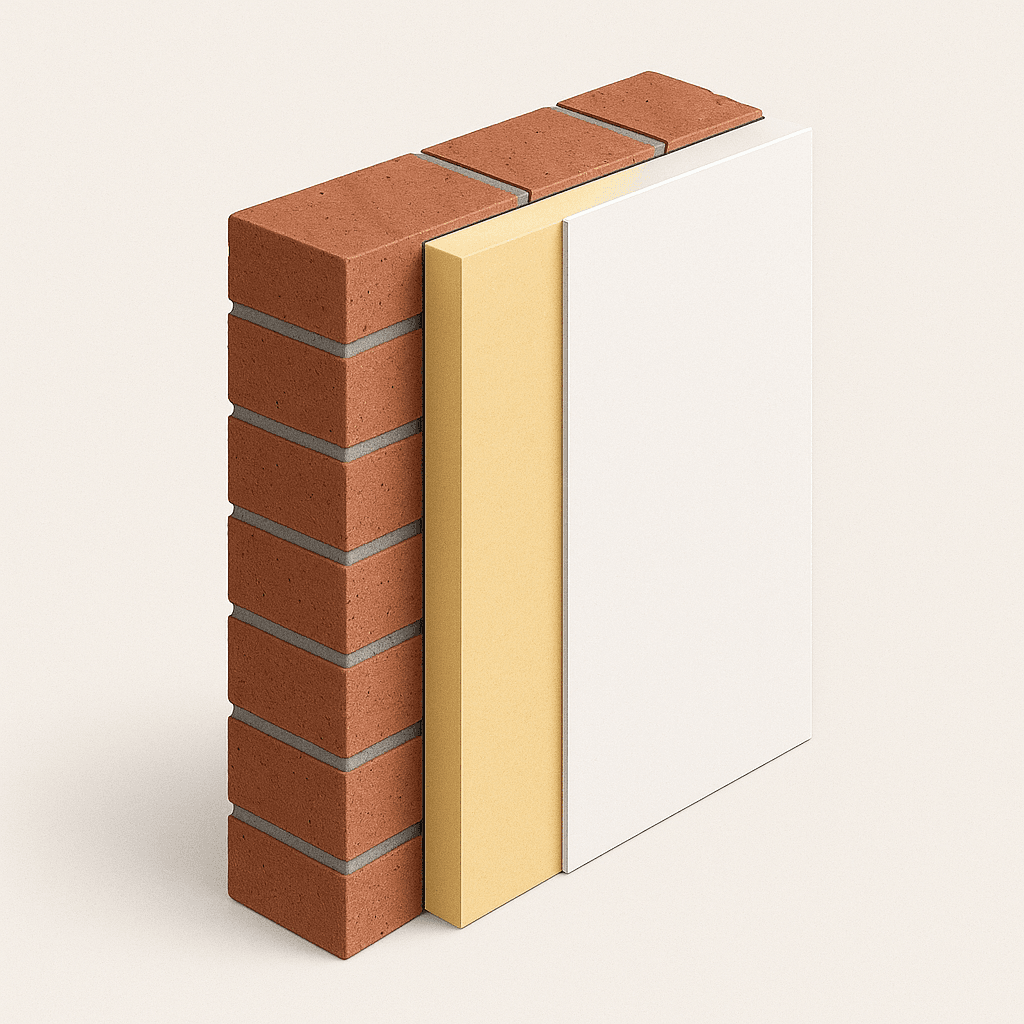
Internal wall insulation increases the temperature of internal wall surfaces, reducing cold spots and improving comfort in solid-brick rooms. By keeping walls warmer for longer, it helps reduce condensation and the conditions that allow mould to develop. Rooms heat more efficiently and stay warm for longer, with a new plaster finish ready for decorating. Learn more about our internal wall insulation.
Special Considerations for Victorian Homes
Older homes require a careful approach because the materials behave differently from modern construction. Appropriate insulation is selected depending on the wall type and moisture behaviour. Cold corners and junctions are treated to help manage condensation risk. Any loose or damp plaster may be removed before installation, and the final finish can be completed with either breathable lime plaster or a modern skim, depending on what the property needs.
Where Insulation Has the Greatest Impact
Victorian homes often benefit most when insulation is added to the coldest surfaces. Bay windows, north-facing walls, chimney breasts and external corners cool rapidly and tend to attract condensation. Behind wardrobes or furniture, where airflow is limited, cold spots and damp can appear. Insulating these areas provides noticeable improvements in warmth and comfort.
Suitable for a Range of Victorian Properties
Internal wall insulation is suitable for many types of Victorian and pre-1930 homes, including terraced houses, semi-detached properties, bay-fronted homes and older solid-brick buildings. It can also be applied in Victorian extensions and later additions built using similar solid-wall construction. Each property type has its own characteristics, but all can benefit from improved internal wall temperatures and a more stable indoor environment.
Need Help With Internal Wall Insulation?
If you’d like advice on cold walls, bay windows or damp-prone areas in a Victorian property, an assessment can help identify the most suitable insulation options.