
How Internal Wall Insulation Is Installed
Step-By-Step Guide
Internal wall insulation involves adding a carefully selected insulated lining to the inside of external walls.
A safe, effective installation requires proper assessment, moisture awareness, correct system choice, and a controlled installation process.
This guide explains each step clearly so homeowners know what to expect.
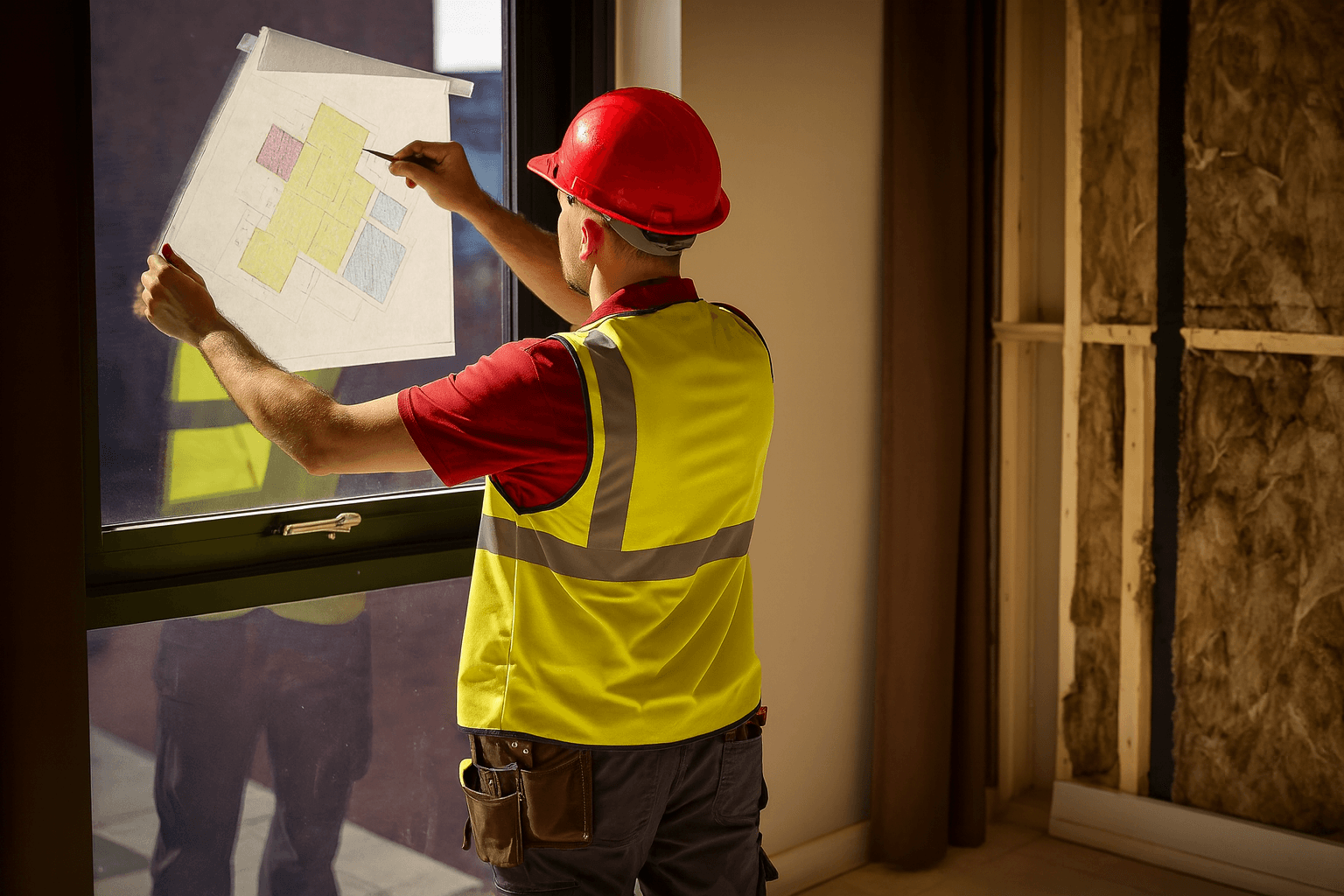
Step 1 — Full Wall & Moisture Assessment
Before any work begins, we assess the walls and room conditions in detail.This includes:
- Thermal imaging to identify cold spots, thermal bridges and cold junctions
- Surface temperature readings
- Relative humidity checks
- Identifying where condensation forms
- Discussing moisture patterns with the customer (drying habits, heating patterns, showers, cooking etc.)
- Reviewing furniture placement (large furniture against cold walls can create mould-prone areas)
- Checking ventilation and airflow
- Inspecting plaster condition and wall type
- Reviewing bay windows, reveals and chimney breasts
Short description:
This step ensures we fully understand how the wall behaves so the correct insulation system can be chosen safely.
Step 2 — Preparing the Room and Wall
Once the assessment is complete, the room and wall are prepared for installation.
This includes:
- Covering furniture, flooring, carpets and belongings
- Protecting adjacent surfaces and keeping dust contained
- Removing skirting boards, window trims and boxing-in where needed
- Cleaning the wall and removing loose or hollow plaster
- Checking window junctions, corners and edges
- Ensuring the surface is suitable for the chosen insulation system
Short description:
Preparation creates a clean, safe working environment and ensures the wall is ready for insulation.
tep 3 — Installing the Chosen Internal Wall Insulation System
Internal wall insulation is not a single method — different systems require different installation techniques.
Depending on the assessment, the chosen system may include:
- Cork insulation
- Mineral wool
- PIR systems
- TIWI systems
During installation we:
- Use the correct fixing method for the system (PU adhesive, mechanical fixings, battens/studs, or combined systems)
- Follow the specific guidance for each material type
- Ensure the insulation layer is as continuous as possible
- Pay special attention to corners, reveals, chimney breasts, bay windows and junctions
- Avoid gaps that could create cold spots
Short description:
Each insulation system has its own method. We install it using the correct approach to match the wall, moisture behaviour and chosen materials.
Step 4 — Sealing Joints and Improving Surface Performance
Once the insulation system is in place, all necessary junctions and connections are treated according to system requirements.
This may include:
- Filling or taping joints
- Treating reveals and corners
- Ensuring airtightness where required
- Reducing cold bridging at sensitive locations
Short description:
Detailing the edges and joints helps improve surface temperature and reduce condensation risk.
Step 5 — Applying the Internal Finish
The final internal finish depends on the insulation system used.
It may include:
- A skim plaster finish
- Breathable mineral or lime plaster for breathable systems
- Plasterboard finish where the system requires it
- Reinstalling skirting boards, trims and other interior elements
Once complete, the wall is ready for painting or decorating.
Short description:
A clean, smooth finish completes the insulated lining and prepares the wall for decoration.
Step 6 — Final Thermal Inspection, Aftercare & Ventilation Guidance
After the installation is complete, we carry out a final visual and Thermal Imaging check to ensure the insulated wall is performing as expected.
Because internal wall insulation must work together with good moisture management, we also discuss:
- Everyday ventilation habits
- How heating patterns affect condensation
- The importance of maintaining airflow behind furniture
- Whether additional ventilation may be beneficial
- How to keep the insulated wall dry and stable long term
Short description:
A final thermal check confirms the installation has been carried out correctly, and clear ventilation guidance supports long-term performance.
How Long the Process Takes
Time varies depending on wall condition, material choice and room size.
Typical timescales for single room is 2–3 days and two rooms is 4–6 days
Breathable systems, bay windows and older properties may require additional time.
Why This Step-by-Step Process Matter
A safe, effective IWI installation requires:
- Proper moisture assessment
- Correct system selection
- Clean preparation
- Accurate installation using the right method
- Careful sealing and finishing
- Post-install thermal checks
- Ventilation awareness
Each step supports the next, creating a warm, stable, moisture-aware internal surface.
Need Advice About Your Walls?
We can assess your walls, discuss available systems and explain how the installation would work in your home.