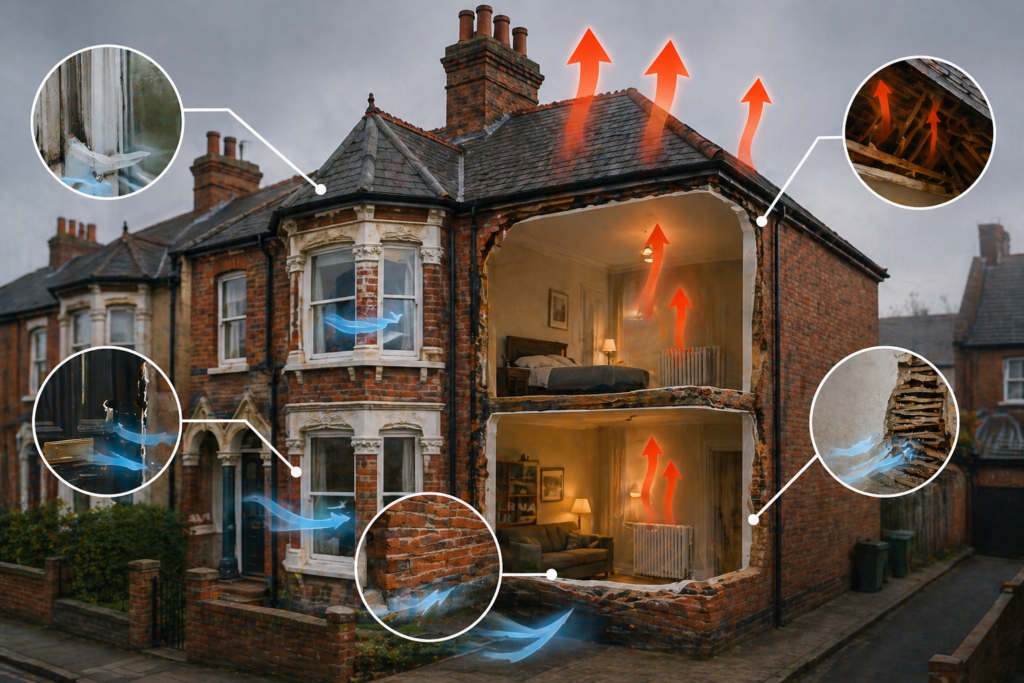
Victorian and pre-1930 homes were built very differently from modern properties.
Solid brick walls, no cavity, and very little consideration for how heat is retained. These houses were designed to breathe and cope with moisture — not to keep warmth inside.
That’s why so many of them feel cold, hard to heat, and prone to condensation.
Why Victorian homes lose heat so easily
The main difference is the walls.
Instead of having a cavity to trap warm air, Victorian homes rely on solid brick construction. Heat moves through that brick relatively quickly, which means the warmth you put into the house doesn’t stay there for long.
At the same time, the internal surface of those walls stays cold. So even when the heating is on, the room can still feel uncomfortable.
How this shows up inside the house
You don’t always notice it as “heat loss” — you feel it.
Rooms that take a long time to warm up. Spaces that cool down quickly once the heating is off. Cold walls, especially on external sides.
In many homes around Sutton Coldfield, this is simply how the building behaves without insulation.
Why condensation and mould are so common
What really makes the difference is not just the air temperature — it’s the surfaces around you.
If the walls are cold, theya
Once those walls stay cold, moisture becomes part of the problem.
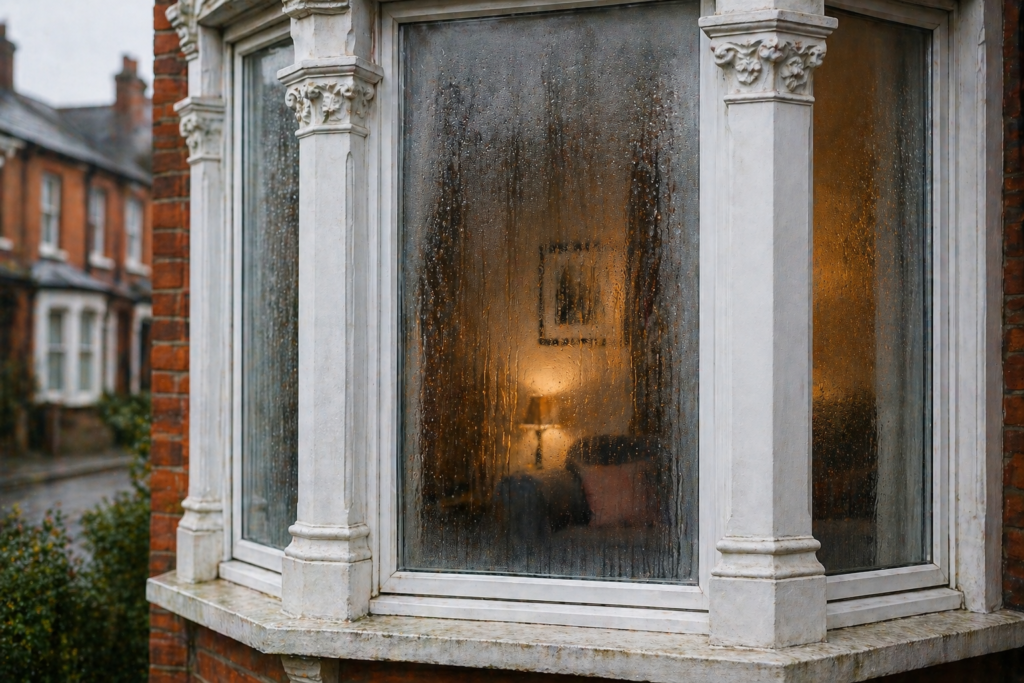
Warm air inside the house carries moisture. When it touches a cold surface, it condenses into water. Over time, this leads to damp patches and mould, especially in corners, around windows, and behind furniture.
Victorian homes need a different approach from modern ones.
Because the walls were designed to handle moisture, it’s important that any upgrade respects how the building works. Using the wrong system can trap moisture or create new problems.
That’s why understanding the wall type and how it behaves is key before doing anything.
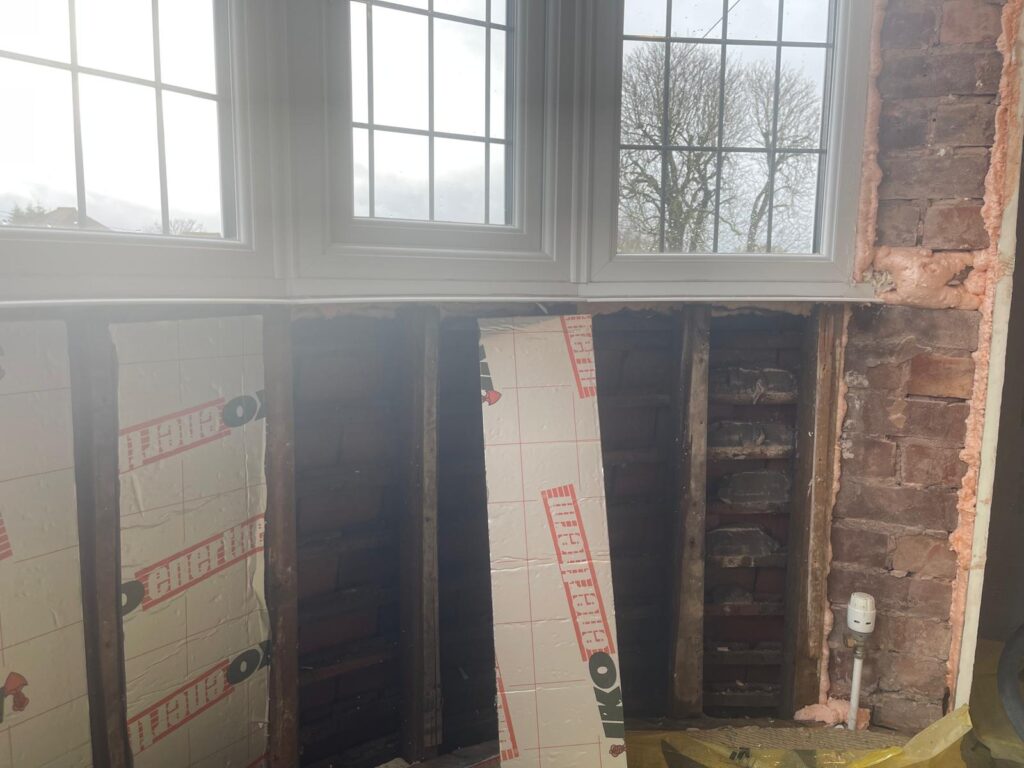
How internal wall insulation changes things
When internal wall insulation is installed properly, it changes how the room feels almost immediately.
The internal surface temperature increases, so the walls are no longer cold to the touch. Heat is retained for longer, and the space becomes easier to warm up and keep comfortable.
In some areas, a full system isn’t always necessary.
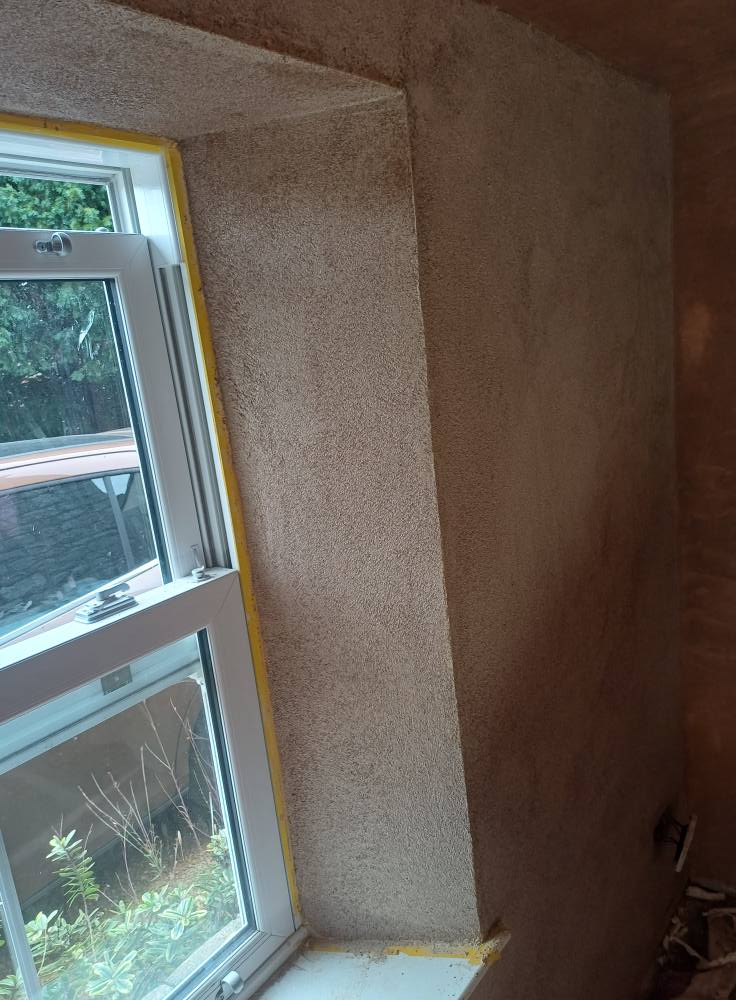
A thinner material like cork can be used to improve surface temperature and reduce condensation risk without taking up much space. This is often useful in tighter areas or where maintaining room size is important.
The first step is always to understand why that specific room is colder than the rest.
Then the focus is on improving the performance of the surfaces causing the issue. In some homes that means a full internal wall insulation system, in others a thinner solution like cork can be enough to lift surface temperature without taking up space.
In Victorian homes, certain parts of the house are usually more affected than others.
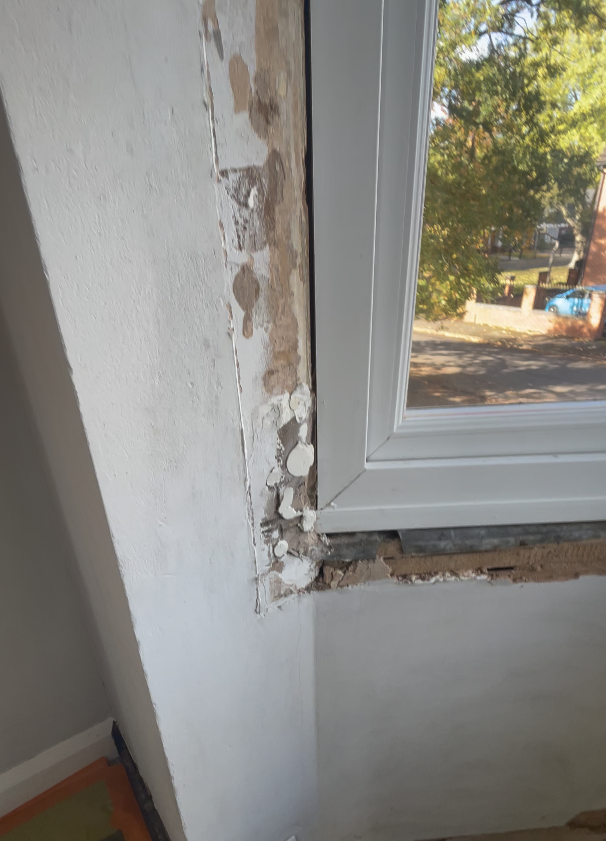
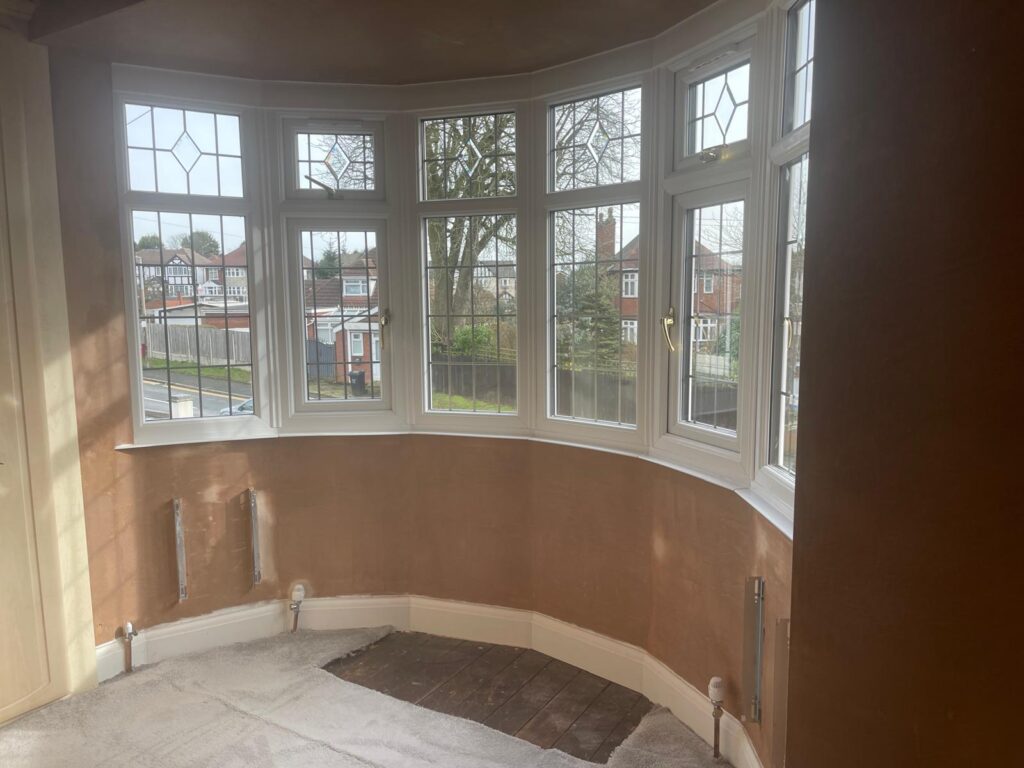
Bay windows, external corners, chimney breasts and north-facing walls tend to lose heat faster and stay colder. These are often the areas where improvements make the biggest difference.
What changes after insulation
Once the walls are performing differently, the whole house feels more stable.
Rooms warm up faster and stay warm longer. Cold spots become less noticeable, and condensation is reduced because surfaces are no longer dropping to low temperatures.
It’s not just about adding insulation — it’s about changing how the building handles heat.
If you want to understand what’s happening in your property and what would actually make a difference, get in touch