Heating On But House Still Cold? 5 Real Reasons
You turn the heating on, the radiators are warm… but the house still feels cold.
This is one of the most common problems in homes — and most of the time, the heating system isn’t the issue.
The real problem is usually how your home holds onto heat
The problem is, most “quick fixes” don’t actually solve it long-term.
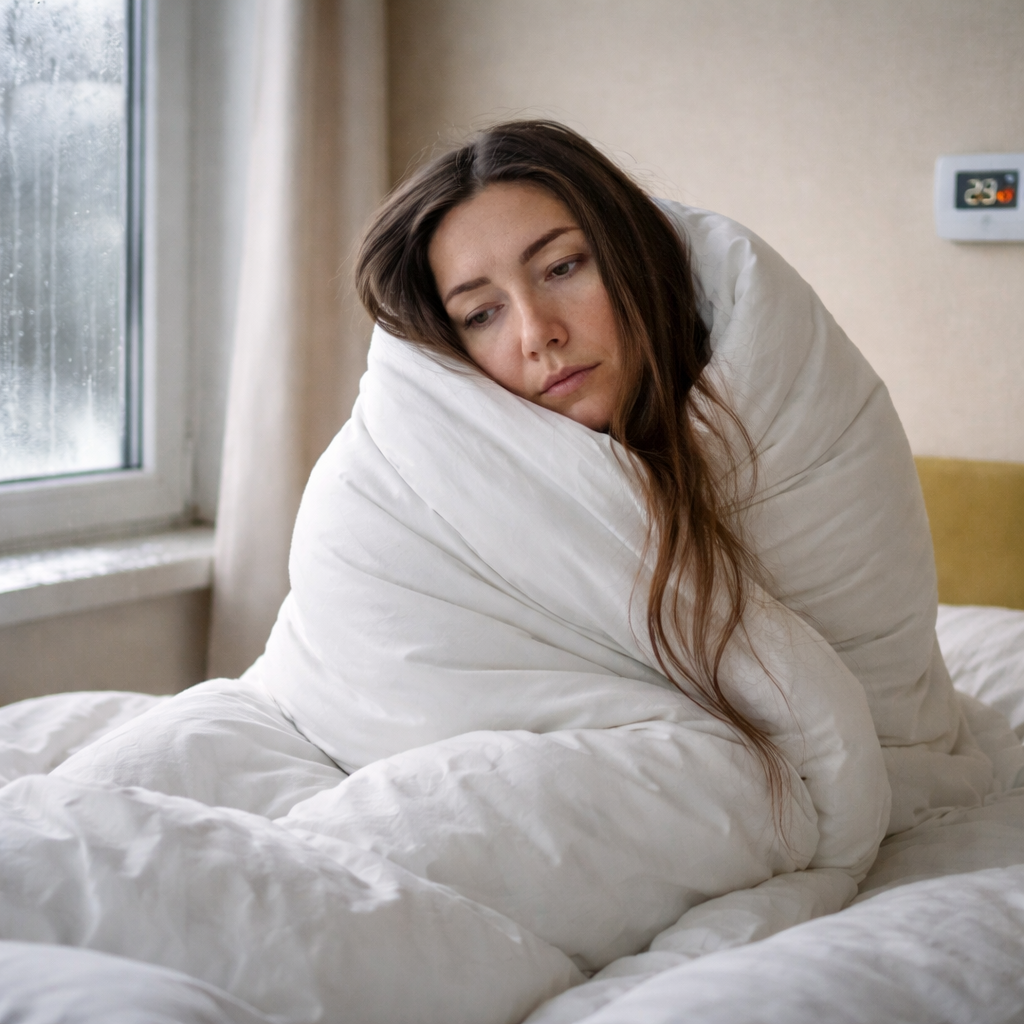
01 Your Home Is Losing Heat Too Quickly
Heating only works if the warmth stays inside.
If your home has poor insulation, the heat you’re paying for escapes almost as quickly as it’s produced.
Common areas where heat is lost:
- external walls up to 35% heat loss
- loft / roof up to 25% heat loss
- floors up to 10% heat loss
- around windows and doors up 20% heat loss
This is the number one reason homes feel cold even with heating on
02 Draughts Are Letting Cold Air In
Even small gaps can have a big effect.
Cold air often comes through:
- window frames
- door edges
- vents and small gaps
- older fittings
- cracks
- bay windows
You might not always see it, but you’ll notice cold spots or rooms that never warm up properly.
Warm air escapes and cold air replaces it.
03 Your Heating System Isn’t Working Efficiently
Sometimes the issue is the heating system itself. Older boilers, poorly balanced systems or radiators that aren’t working properly can all reduce efficiency.
Air trapped in radiators or uneven heat distribution can leave parts of the house colder than others. Even though the system is running, it may not be delivering heat where it’s needed.
04 Heat Isn’t Circulating Properly
A simple but often overlooked problem is blocked heat flow.
If radiators are covered by furniture or curtains, or if valves are partially closed, heat can’t move around the room effectively. This leads to uneven temperatures, where one area feels warm while another remains cold.
Checking radiator performance and airflow can sometimes make an immediate difference.
05 The Real Problem Most People Miss
Most homeowners focus on boilers and radiators when trying to fix a cold house.
In reality, the issue is often cold surfaces — especially external walls. Even if the air is warm, cold walls draw heat away from the room and from your body, making the space feel uncomfortable.
Why Cold Walls Matter
In many UK homes, particularly older ones, walls remain significantly colder than the air inside.
This leads to:
- rooms feeling cold even when heated
- colder areas around corners and external walls
- constant need to turn the heating up
The heat is not being held within the space — it’s being lost through the structure of the building.
What Actually Fixes the Problem
To properly improve comfort, you need to focus on three things: retaining heat, reducing draughts, and ensuring the heating system works efficiently.
Improving insulation and reducing cold surfaces makes the biggest difference. At the same time, sealing gaps and ensuring good airflow helps stabilise internal conditions.
Heating systems should then be working alongside these improvements, not trying to compensate for heat loss.
A Practical Solution for Cold Walls
If your walls feel cold to the touch, improving their surface temperature can change how the whole room feels.
A thin, breathable system such as internal cork coating can help reduce cold spots and improve wall warmth while still allowing the wall to breathe. It also avoids the need for thicker systems that take up more space.

Final Thoughts
If your house still feels cold with the heating on, it’s usually not because you need more heating.
It’s because the heat is being lost faster than the building can retain it. Addressing that loss — especially through walls — is what makes the real difference.