Why Is My Bay Window So Cold?
ou can feel it as soon as you walk near it.
The rest of the room might be fine…
but around the bay window, it’s different.
Colder air.
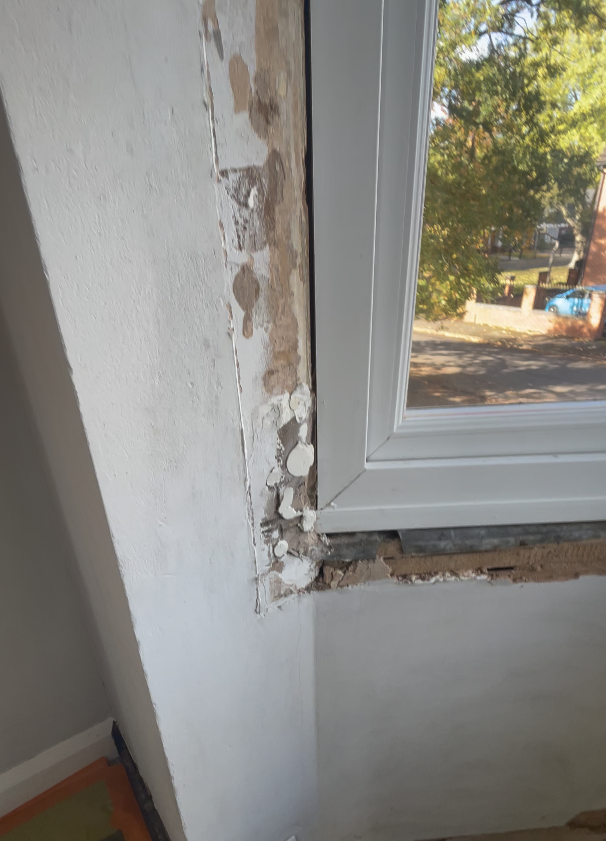
Cold surfaces.
Sometimes even condensation or mould.
This is something I see a lot in homes around Sutton Coldfield, and bay windows are one of the most common problem areas in a house.
Why bay windows feel colder than the rest
Bay windows are built differently from the rest of the house.
They usually have:
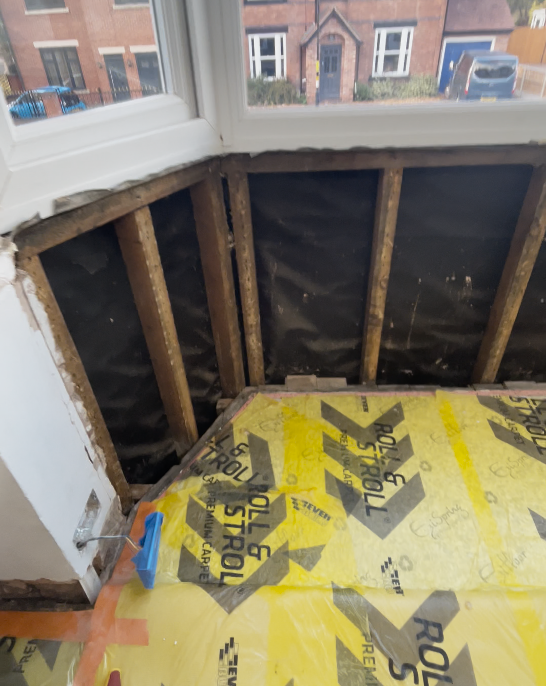
- more external surface area
- thinner construction
- less insulation (or none at all)
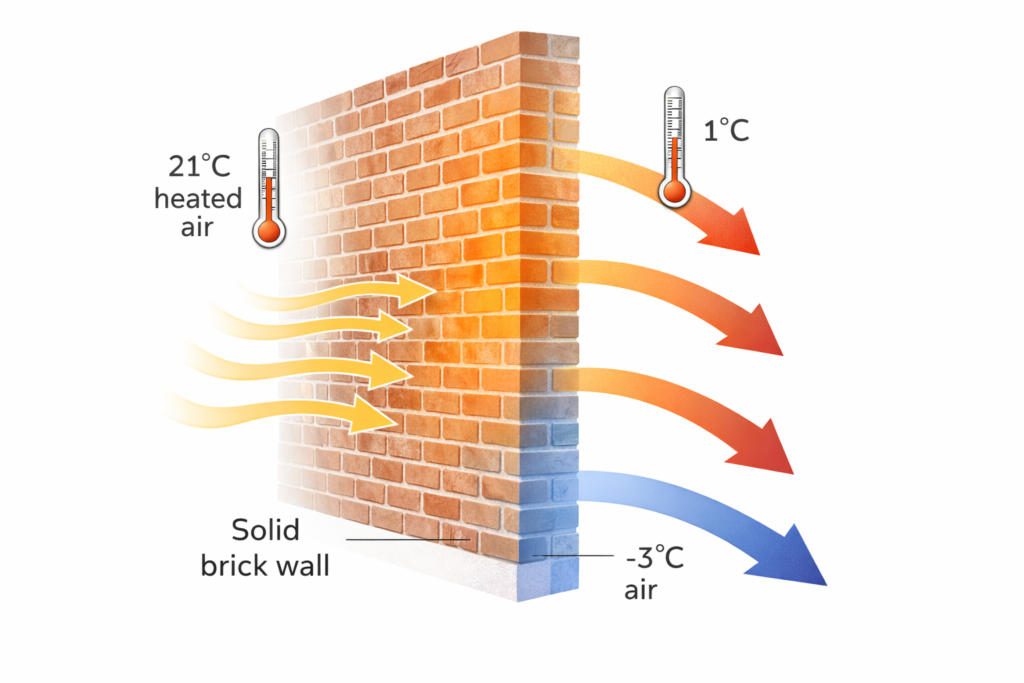
Because of that, they lose heat much faster than standard walls.
So even when the room is heated, that part of the space stays colder.
Why it affects the whole room
Even though the problem is localised, it impacts the entire space.
Cold surfaces around the bay:
- pull heat away from the room
- create a cold zone
- make the whole space feel less comfortable
That’s why you can sit on the opposite side of the room and still feel it.
Where condensation and mould start
Because those surfaces stay cold, moisture in the air naturally settles there first.
You might notice:
- condensation on or around the bay
- damp patches
- mould forming in corners or behind furniture
If that’s already happening, see:
Why heating doesn’t fix it
Turning the heating up might take the edge off slightly, but it won’t solve the issue.
That area is still losing heat faster than the rest of the room, so it never really stabilises.
Over time, it just becomes a constant cold spot.
What actually makes the difference
The key is improving how that part of the structure handles heat.
Once the surfaces around the bay are no longer cold, the difference is immediate. The space starts to feel consistent with the rest of the room, rather than standing out as a problem area.
How we approach it
The first step is always to understand why that specific room is colder than the rest.
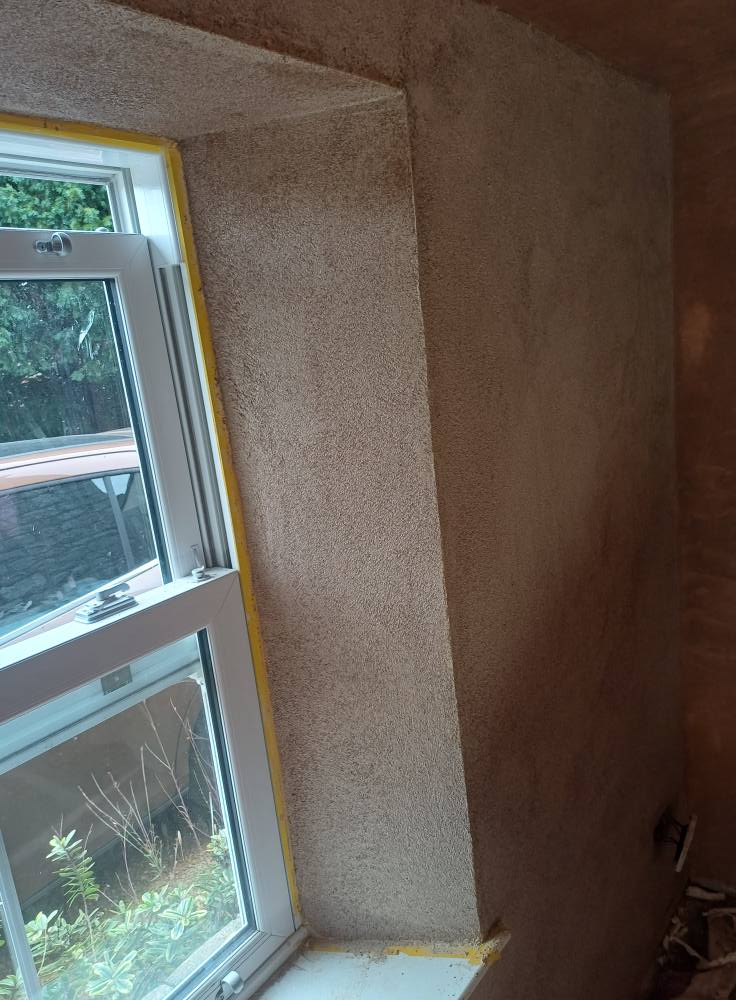
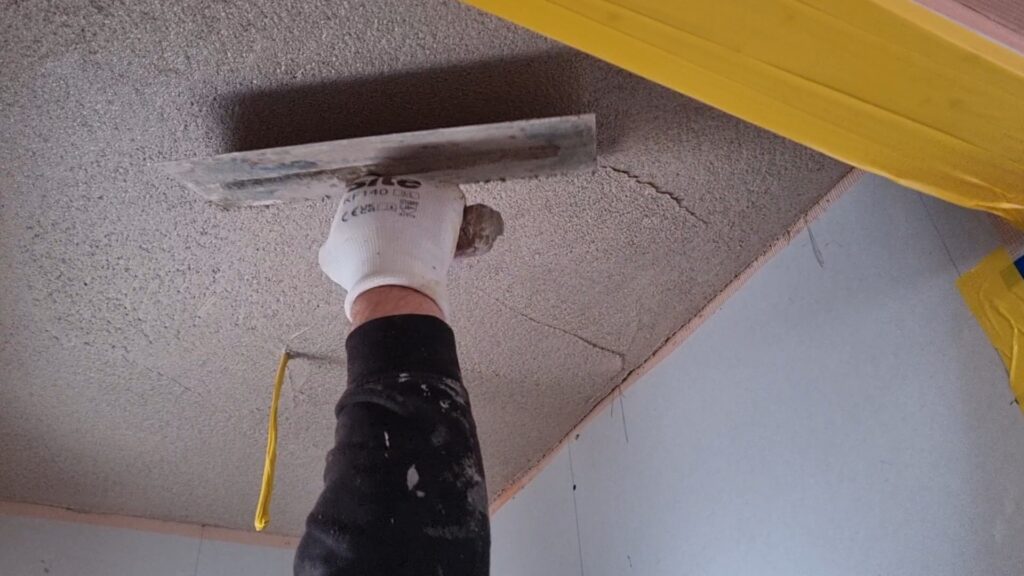
Then the focus is on improving the performance of the surfaces causing the issue. In some homes that means a full internal wall insulation system, in others a thinner solution like cork can be enough to lift surface temperature without taking up space.
How we approach bay window insulation
Every bay is slightly different, but the focus is always the same.
Look at how the structure is built, identify where heat is being lost, and improve the performance of those surfaces so they can hold a higher temperature.
In some cases, that means a full internal upgrade. In others, a targeted solution like cork can improve the area without taking up much space.

What changes after
Once the bay window is properly treated:
- the cold spot disappears
- the room feels more balanced
- condensation is reduced
- the space becomes usable again
If you want to understand what’s happening in your bay window and what can be done about it, get in touch — we'll point you in the right direction.
We help homeowners across Sutton Coldfield and nearby areas including Walsall, Great Barr and Aldridge.
Common Questions
Clear answers to help you understand the process and what to expect.
It creates a thin breathable layer on the inside of the wall that helps improve surface warmth, reduce cold spots and support better moisture control.
Yes. Once skimmed, it looks like a standard smooth plastered wall ready for paint or decoration.
It helps reduce the conditions that encourage condensation-related mould on cold surfaces.
No. It is only 3-4mm thick.
Start with a Free Home Survey
Tell us about your project - we’ll guide you to the right solution with honest, no-pressure advice.