When only one or two rooms feel cold, the heating system usually isn’t the problem.
The issue is how that room is interacting with heat.
Some rooms lose warmth much faster than others, so even when you heat them, they never seem to catch up.
What makes a room go cold
In most cases, the colder rooms share a few things in common.
They’re often:
on external walls
more exposed to outside temperatures
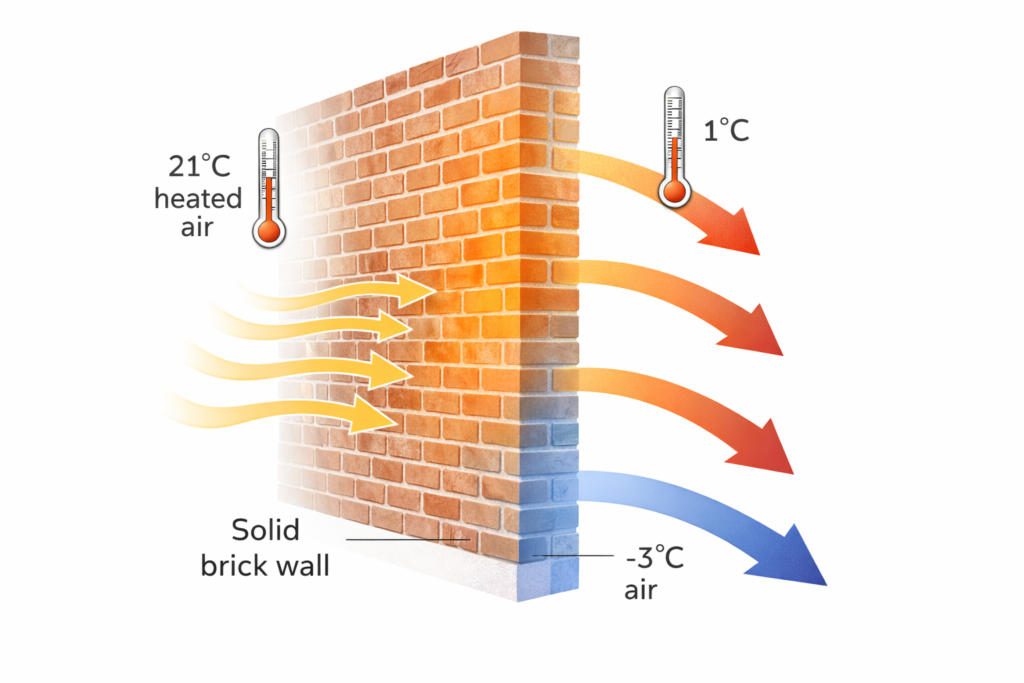
built with solid brick with no insulation
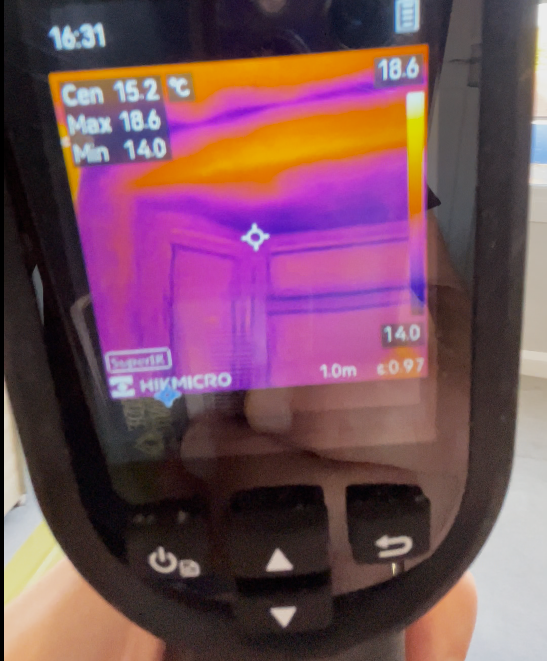
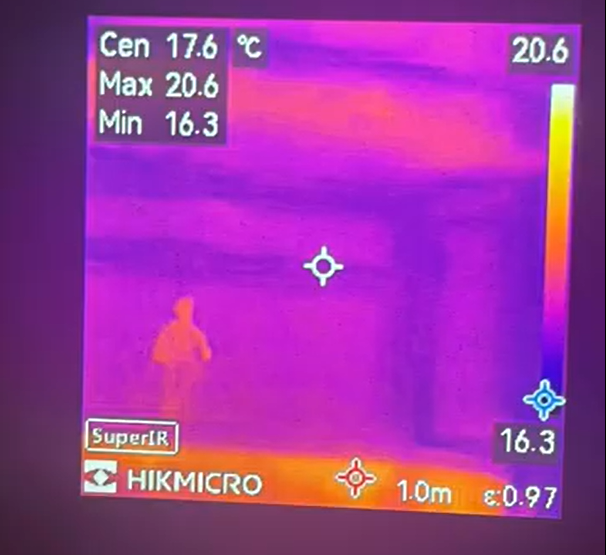
Because of that, heat doesn’t stay in the room. It moves through the walls and escapes outside, while the internal surfaces stay cold.
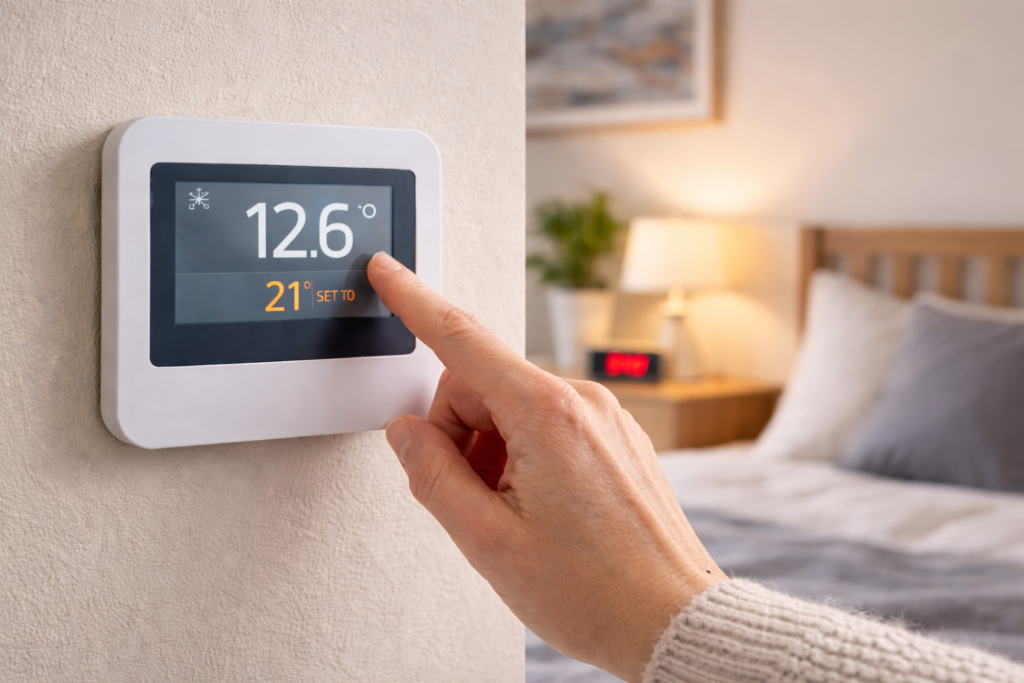
That’s why the room can feel uncomfortable even when the air temperature seems reasonable.
Bedrooms are usually the worst
A lot of the time, it’s a bedroom that feels the coldest.
There are a few reasons for that.
They’re often on external corners of the house, they don’t get as much heat during the day, and they’re used differently — doors closed, less airflow, longer periods without heating.
All of that makes it easier for the room to cool down and harder to bring back up to temperature.
The role of cold surfaces
What really makes the difference is not just the air temperature — it’s the surfaces around you.
If the walls are cold, they pull heat away from your body. So even if the room is technically “warm”, it doesn’t feel comfortable.
That’s why some rooms feel cold in a way that’s hard to explain — it’s not just temperature, it’s how the space behaves.
When cold rooms turn into bigger problems
If a room stays cold for long enough, it often leads to other issues.
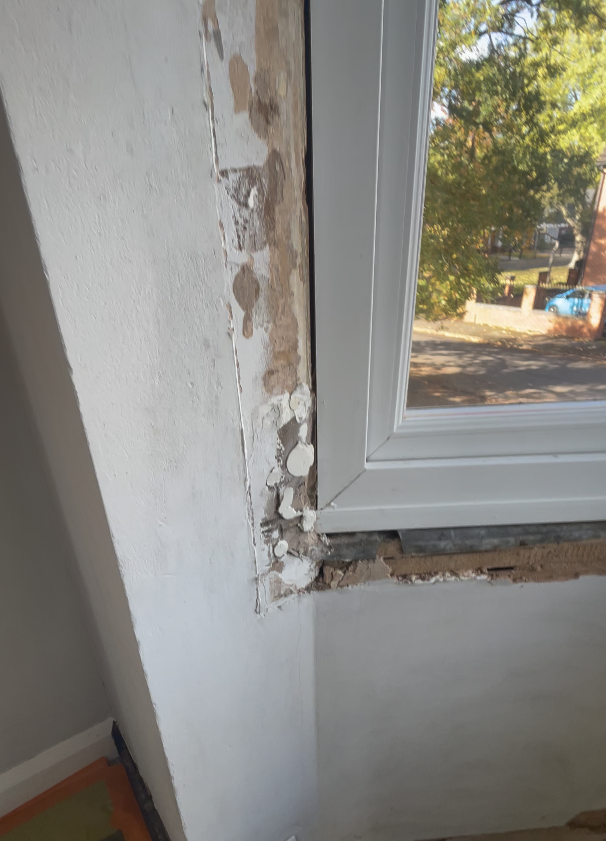
Moisture in the air starts settling on those cold surfaces. Over time, that can lead to condensation, damp patches, and eventually mould.
If that’s already happening, it’s worth looking at:
Sometimes it helps slightly, but it doesn’t change how the room is built.
So the problem keeps coming back.
What actually fixes a cold room
The real change comes when you improve how that room holds heat.
Instead of constantly losing warmth, the walls need to stay at a higher temperature. Once that happens, the room becomes much easier to heat and maintain.
That’s when the difference becomes noticeable — not just warmer air, but a room that finally feels comfortable.
How we approach it
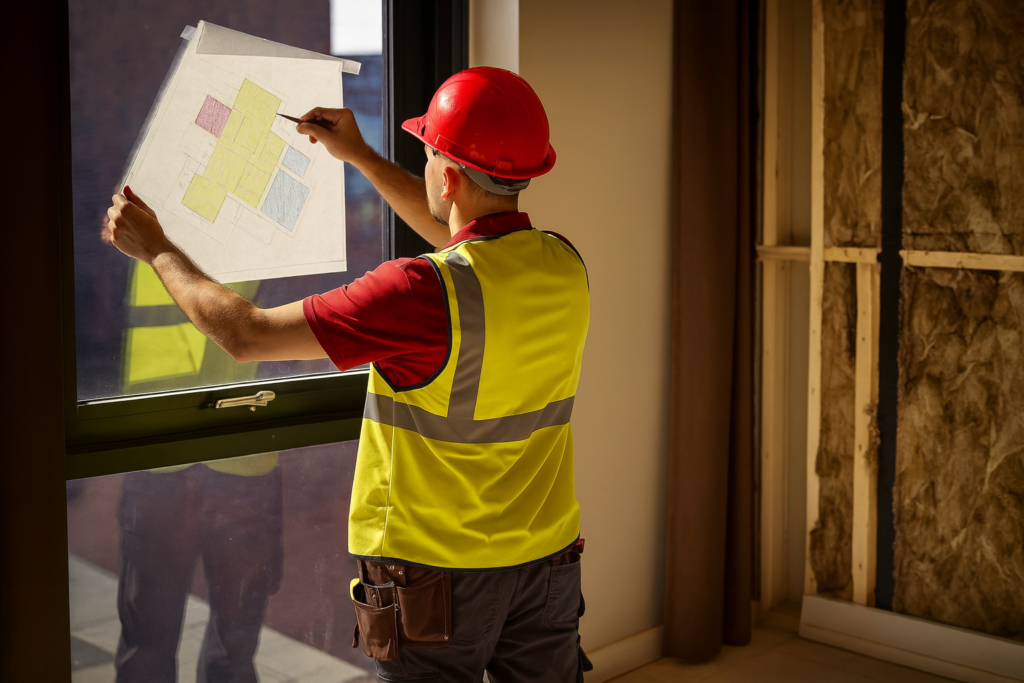
The first step is always to understand why that specific room is colder than the rest.
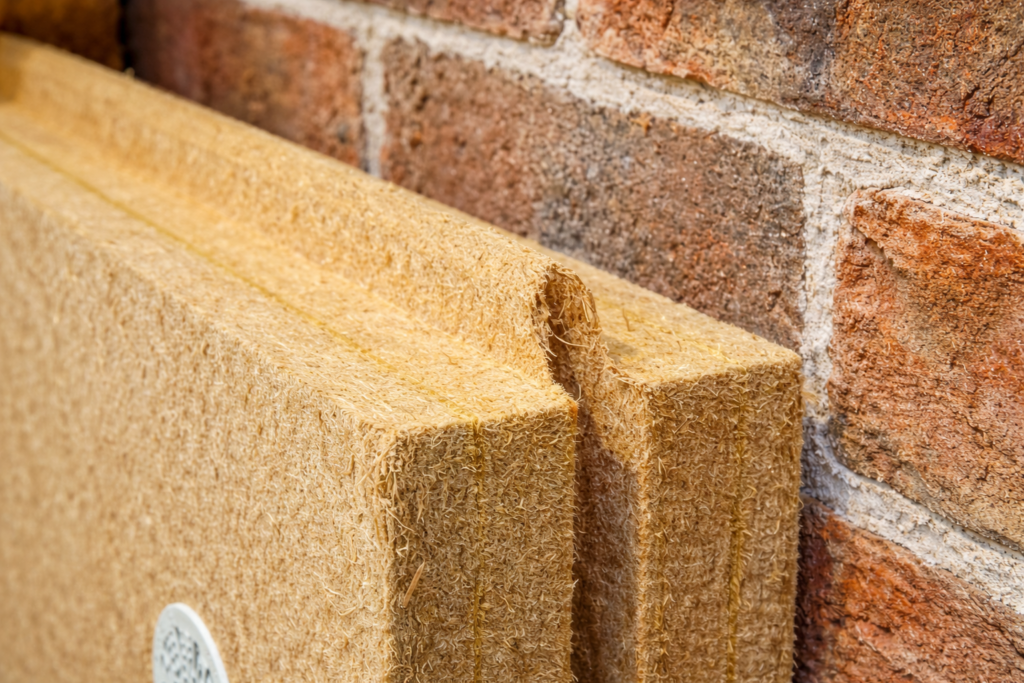
Then the focus is on improving the performance of the surfaces causing the issue. In some homes that means a full internal wall insulation system, in others a thinner solution like cork can be enough to lift surface temperature without taking up space.
Once the cause is dealt with, the room behaves differently.
It warms up quicker, holds heat for longer, and stops feeling like a separate cold zone within the house. The temperature becomes more consistent, and the space becomes usable again.
If you’ve got a room that always feels colder than the rest, there will be a reason for it.
It’s not something you just have to put up with — in most cases, it comes down to how that part of the building is handling heat.
If you’re not sure what’s causing it in your home, feel free to get in touch.