You turn the heating on, wait a while… and it still doesn’t feel right.
The room might warm up slightly, but the heat doesn’t stay. Some areas feel colder than others, and no matter what you do, the house just never feels properly comfortable.
This is something we see all the time in Sutton Coldfield, especially in older properties. And in most cases, the cause is not what people think.
It’s usually not your heating
Most people assume the problem is the boiler or the radiators.
In reality, the heating system is often doing its job — it’s just working against the building.
The issue is that the heat you’re putting into the room is escaping almost as quickly as it’s produced. So even though the heating is on, the space never really stabilises.
The way the walls behave
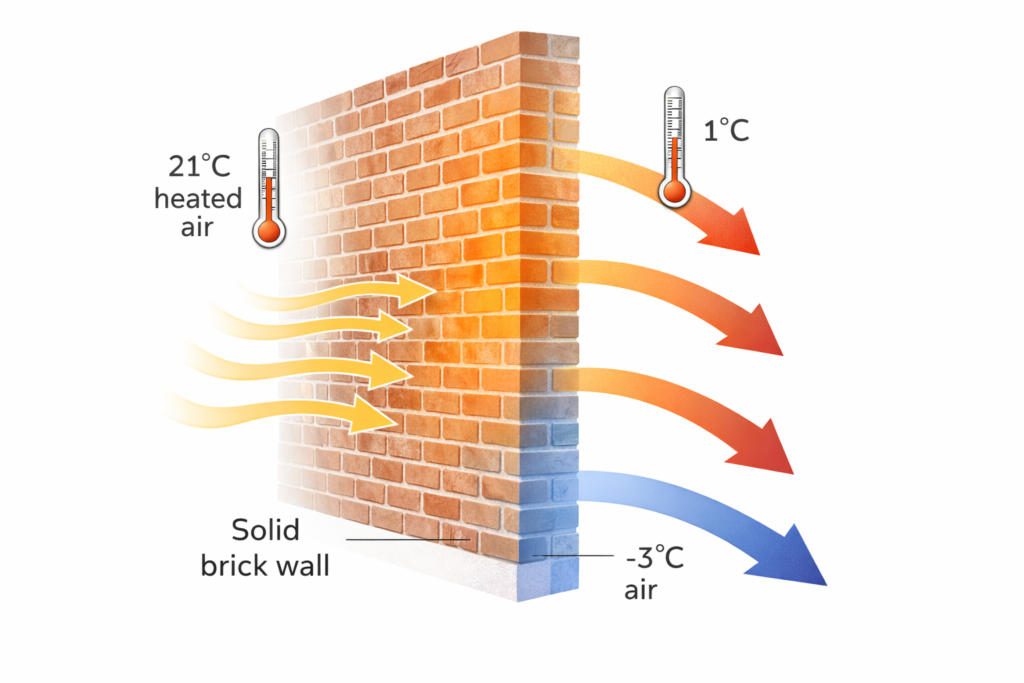
In a lot of homes around Sutton Coldfield, the external walls are solid brick. Unlike modern insulated walls, these don’t hold onto heat very well.
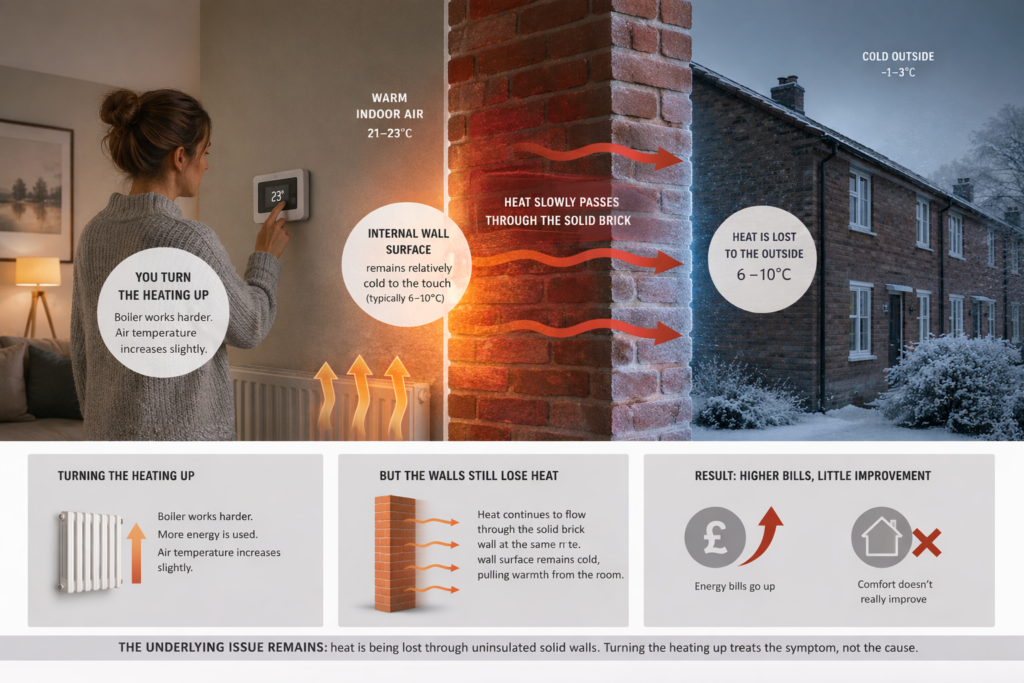
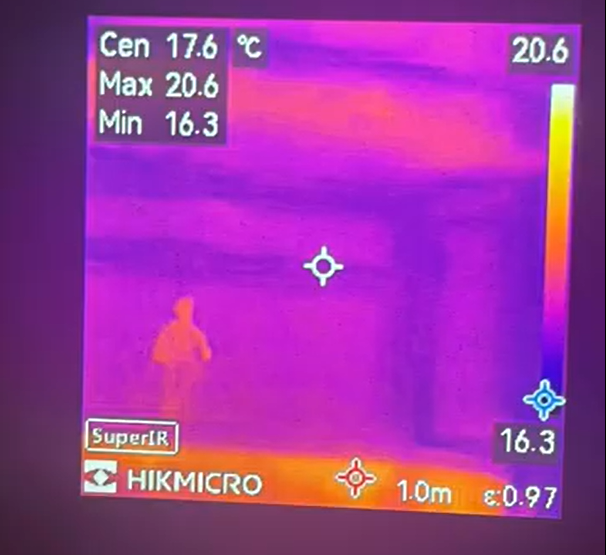
They absorb warmth from inside, then slowly pass it through to the outside. At the same time, the internal surface of the wall stays relatively cold to the touch.
That cold surface has a big impact on how the room feels. Even if the air temperature is reasonable, the space can still feel uncomfortable because the surfaces around you are pulling heat away.
Why some rooms feel worse
You might have noticed that it’s not the whole house — it’s specific rooms.
Usually:
bedrooms on external walls
corners of rooms
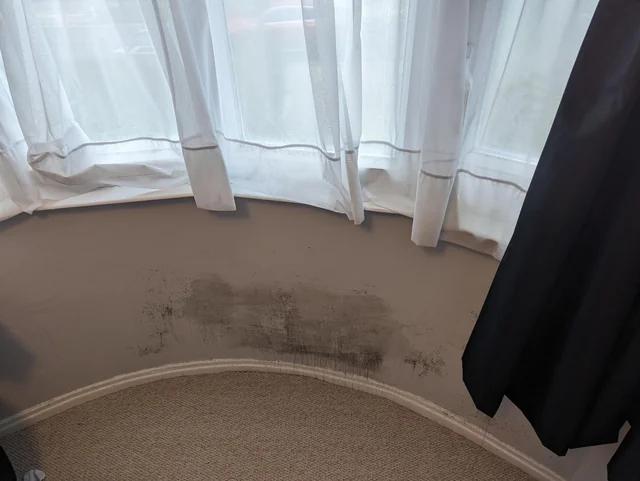
bay windows
areas behind furniture
These parts of the house are more exposed, so they lose heat faster and stay colder for longer.
That’s why you can walk from one room into another and feel a noticeable difference straight away.
Where condensation starts
Once those surfaces stay cold long enough, another problem begins.
Warm air inside the house naturally carries moisture. When that air touches a cold wall, it cools down and releases that moisture as water.
At first, it’s not always visible. But over time, it builds up — and that’s when condensation and eventually mould start to appear.
A lot of people try to fix this by increasing the heating or leaving it on longer.
It can help slightly, but it doesn’t solve the underlying issue.
You’re still losing heat through the same surfaces, so the system just works harder without making the space feel properly comfortable. That’s why energy bills go up, but the result doesn’t really improve.
What actually makes the difference
The turning point comes when you change how those walls behave.
Instead of constantly losing heat and staying cold, the internal surfaces need to hold a higher temperature. Once that happens, the room becomes much easier to heat and maintain.
That’s when you notice the real difference — not just warmer air, but a space that actually feels comfortable to be in.
How we approach it
Then improve how those areas perform, so the building starts working with the heating instead of against it.
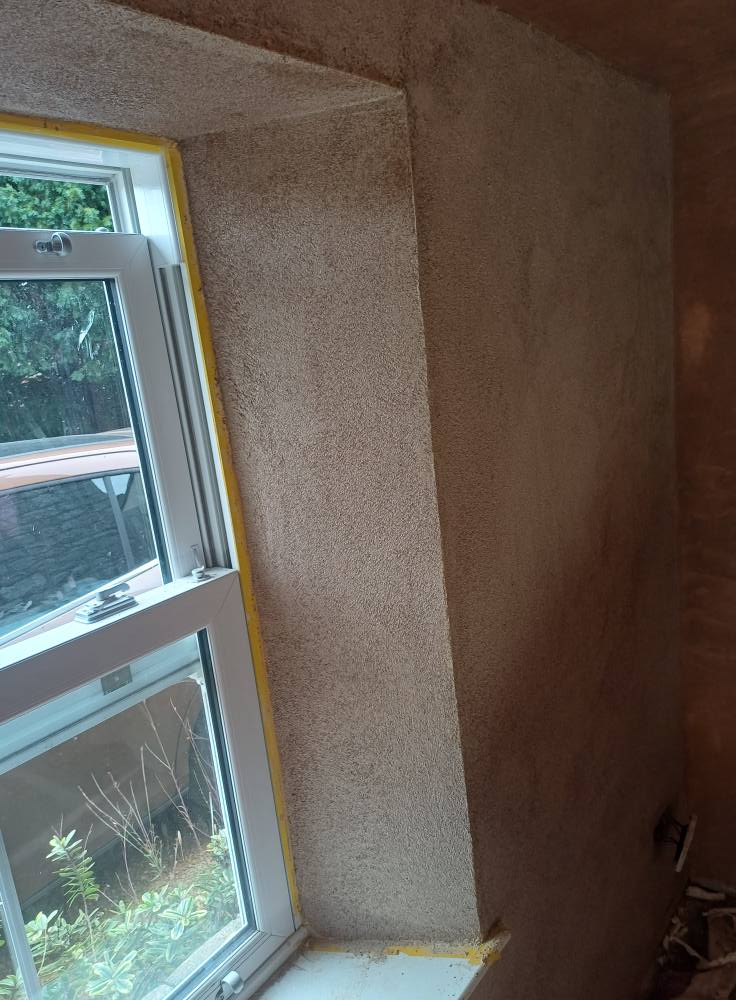
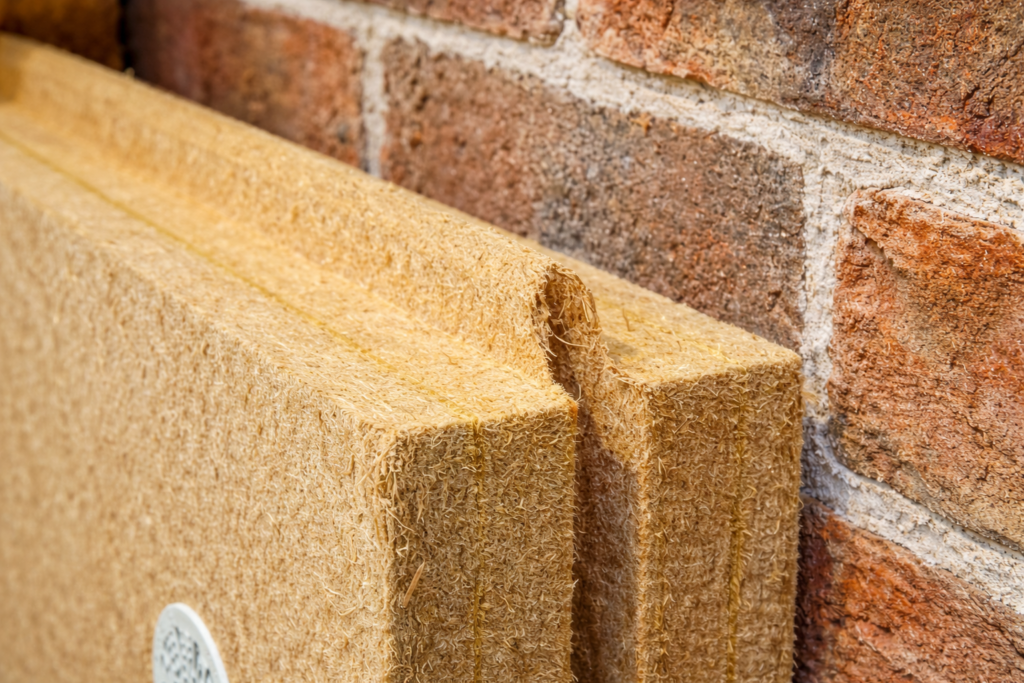
In some cases, that means a full internal wall insulation system. In others, a thinner solution like cork can be enough to improve surface temperature without taking up space.
Once the cause is dealt with, the difference is usually very noticeable.
Rooms heat up quicker, they stay warm for longer, and the cold spots that used to stand out begin to disappear. The heating system doesn’t have to work as hard, and the whole house feels more stable.
If your house feels cold, there will always be a reason behind it.
It’s not just the age of the property or something you have to put up with. In most cases, it comes down to how the building is handling heat — and that’s something that can be improved.
If you’re not sure what’s causing it in your home, feel free to get in touch.