You’re heating the house the same way you always have… but the bills keep going up.
Even when you try to be careful, the cost doesn’t seem to reflect how you’re actually living.
And the worst part is — the house still doesn’t feel properly warm.
This is something a lot of homeowners in Sutton Coldfield are dealing with, and in most cases, there’s a clear reason behind it.
It’s not just energy prices
Prices have gone up, but that’s only part of the picture.
What really makes the difference is how your home handles heat.
Two houses on the same street, using heating in a similar way, can have completely different running costs — simply because one loses heat faster than the other.
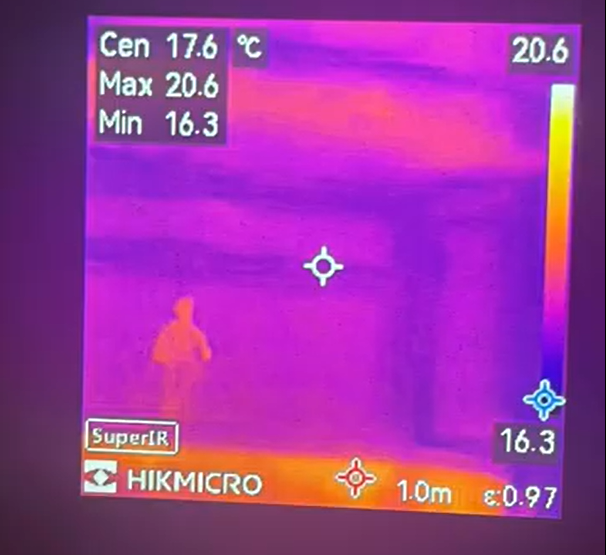
Where the heat is actually going
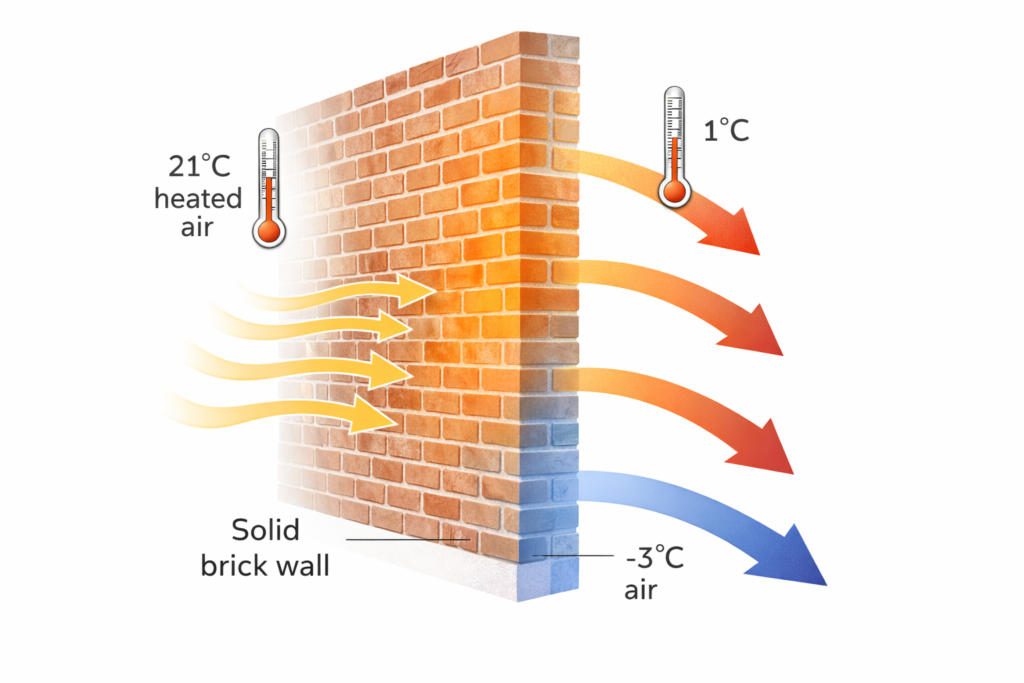
In many homes, especially older ones, a large amount of heat is lost through the structure of the building.
Walls, in particular, play a big role.
If they’re not insulated, they allow heat to pass through them continuously. So while you’re heating the inside, energy is escaping to the outside at the same time.
That’s why the heating has to keep running just to maintain a basic level of comfort.
Why the house still feels cold
This is what frustrates most people.
You’re spending more, but not getting the benefit.
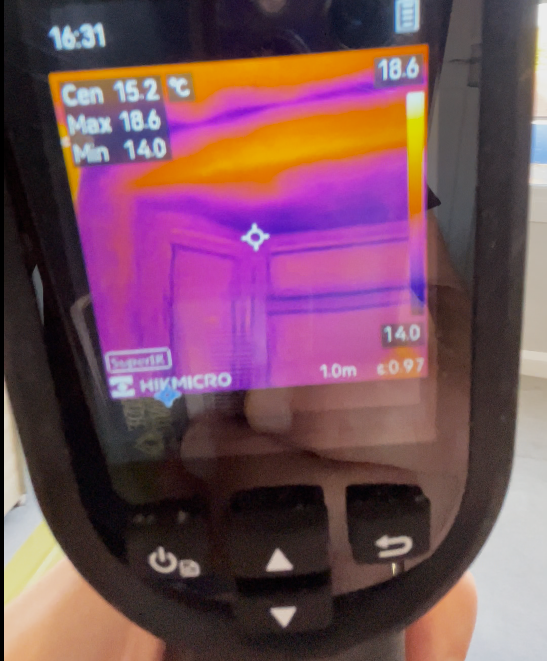
That’s because the heat isn’t being held inside the space. The walls and surfaces stay relatively cold, so even when the air warms up, the house doesn’t feel comfortable.
It’s not just about how much heat you produce — it’s about how much of it stays.
How this links to cold rooms and condensation
When heat escapes unevenly, some areas of the house are affected more than others.
A lot of people try to reduce their bills by using the heating less.
But that often makes the house feel even colder, without solving the underlying issue.
The problem isn’t just how much energy you’re using — it’s how efficiently the house is holding onto it.
What actually reduces heating costs
The real change comes when the building stops losing heat so quickly.
Once the walls and key areas of the house are performing better, the heat you generate stays inside for longer. That means the heating doesn’t need to work as hard or run as often.
Over time, that’s where the difference in running costs comes from.
How we approach it
The starting point is always understanding where the heat is being lost.
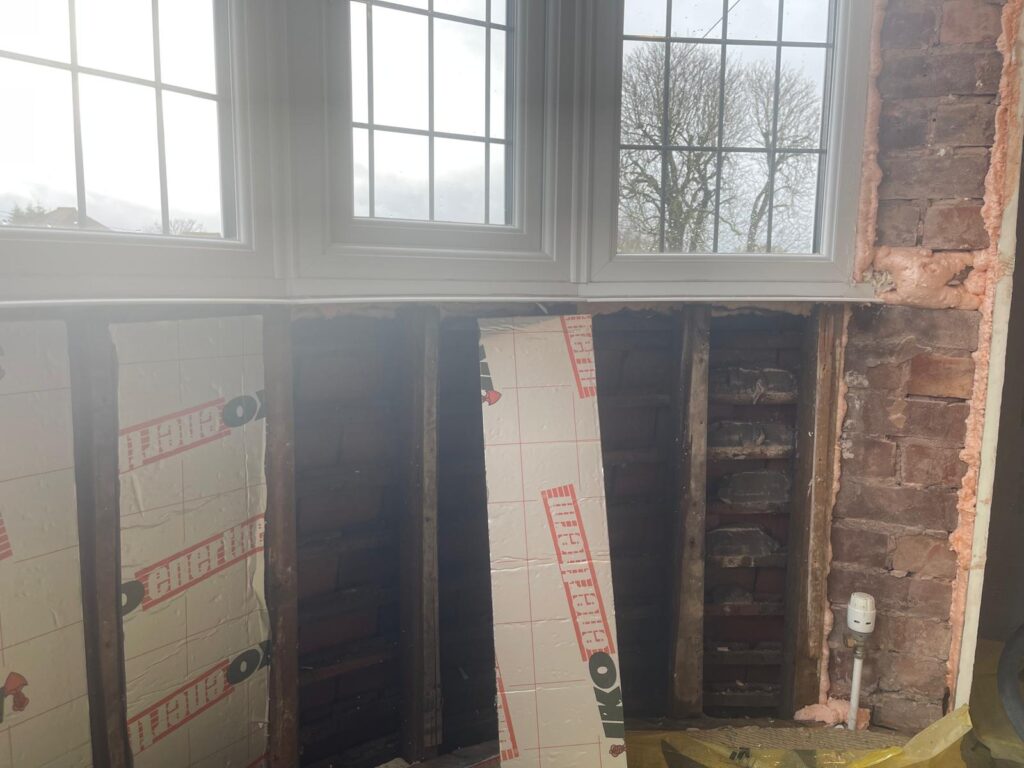
From there, the focus is on improving how those parts of the house perform. In many cases, that involves internal wall insulation. In others, thinner solutions like cork can improve surface temperature and reduce heat loss without taking up space.
And most importantly, the house starts to feel comfortable without constantly adjusting the heating.
If you’ve got a room that always feels colder than the rest, there will be a reason for it.
It’s not something you just have to put up with — in most cases, it comes down to how that part of the building is handling heat.
If you want to understand why your home is losing heat and what would actually make a difference, get in touch — we’ll point you in the right direction.